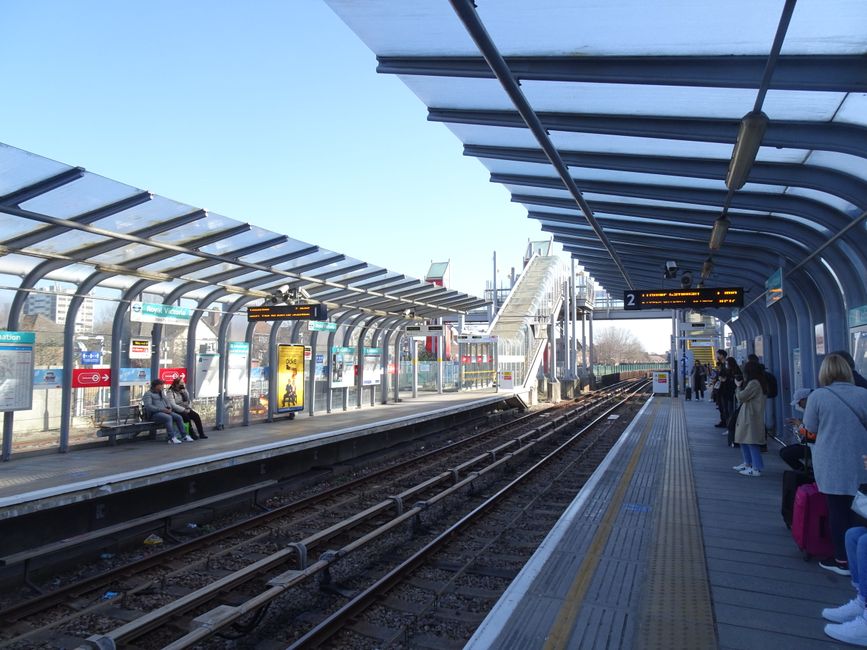
Swiss Cottage station flat move access guide for removals
Moving out of a flat near Swiss Cottage station can look straightforward on paper, and then the reality hits: a narrow entrance, no lift, a busy road outside, awkward parking, and a sofa that suddenly seems to have grown overnight. That is exactly why a Swiss Cottage station flat move access guide for removals matters. It helps you plan the route, protect the building, keep the move moving, and avoid the sort of delays that turn a decent removal day into a long one.
This guide walks through the practical side of flat access around Swiss Cottage, from stairwells and loading space to timing, packing, and how to brief your movers properly. If you are comparing help options too, it may also be worth looking at removals, man and van, or house removals depending on the size of the job. The goal here is simple: fewer surprises, less lifting stress, and a cleaner handover.
Table of Contents
- Why Swiss Cottage station flat move access guide for removals Matters
- How Swiss Cottage station flat move access guide for removals Works
- Key Benefits and Practical Advantages
- Who This Is For and When It Makes Sense
- Step-by-Step Guidance
- Expert Tips for Better Results
- Common Mistakes to Avoid
- Tools, Resources and Recommendations
- Law, Compliance, Standards, or Best Practice
- Options, Methods, or Comparison Table
- Case Study or Real-World Example
- Practical Checklist
- Conclusion
- Frequently Asked Questions
Why Swiss Cottage station flat move access guide for removals Matters
Flat moves near a station are rarely difficult because of the distance travelled. They are difficult because of access. Swiss Cottage is a busy part of London, and the little details start to matter fast: where the van can stop, how long it can stay, whether there is a lift, whether the stairwell is turning into a bottle neck, and whether the furniture actually fits through the door without a minor wrestling match.
To be fair, most move delays come from a lack of access planning rather than a lack of muscle. A removal team can lift a heavy wardrobe, but they cannot invent extra pavement space or widen a Victorian staircase. If you get the access side right, everything else feels calmer. If you do not, even a small flat can become a difficult day.
There is also a trust element here. Good preparation signals to your moving team that you understand the building, the timing, and the practical constraints. That helps them arrive with the right van size, enough crew, and the right equipment. It also helps you avoid rushed decisions, like booking a vehicle that is too large for the approach or too small for the load. In our experience, that is where the real cost creep starts.
Expert summary: the best flat moves near Swiss Cottage station are not necessarily the fastest on the day, but the best planned the day before. Access planning saves time, protects property, and keeps the move under control.
If you are still choosing between service types, it may help to compare man with van, movers, and removal company options before you commit.
How Swiss Cottage station flat move access guide for removals Works
The process is basically a chain of access decisions. You assess the flat, the building, the road outside, and the route from the front door to the van. Then you choose the move plan that fits the space rather than forcing the space to fit the plan. Sounds obvious, but plenty of people skip straight to boxes and tape. Then Wednesday morning arrives and everyone is stood in the hallway, looking at the sofa, thinking: right. Now what?
A solid access guide usually works in four layers:
- Building access - stairs, lift, corridor width, door swing, fire doors, intercoms, and any rules about protecting walls or flooring.
- Street access - where the vehicle can stop, how easy it is to unload, and whether anything blocks the bay, kerb, or entrance.
- Item access - measuring bulky furniture, checking awkward items, and deciding whether they need dismantling.
- Move timing - avoiding peak congestion, coordinating lift bookings, and giving yourself enough time to work without panic.
For a one-bedroom flat, the access plan may be simple enough to fit in a phone call. For a larger apartment, a top-floor walk-up, or a building with limited loading space, you may need a more detailed plan and a crew used to man and van removals or broader removal services.
It also helps to think in terms of sequence. Which item leaves first? Which item has to be taken apart? Where will the boxes be staged? The fewer times an item changes hands, the better. Less carrying means less risk. Simple, but effective.
Key Benefits and Practical Advantages
Getting flat access right is not only about avoiding problems. It also gives you real, practical advantages that you will feel on the day.
- Less wasted time - if the van can stop close to the entrance, everything speeds up naturally.
- Lower risk of damage - awkward turns, tight staircases, and repeated lifts are where scuffs and knocks happen.
- Better team coordination - a crew that knows the access conditions can work in a smoother rhythm.
- Smarter vehicle choice - you avoid paying for a van that is too large or booking one that needs extra trips.
- Reduced stress - you are not making last-minute guesses while holding a toolbox and a door wedge at the same time.
- Cleaner building handover - especially useful if your landlord or managing agent expects care around communal areas.
There is also a subtle advantage that people forget: confidence. When you know the route, the timings, and the access points, you stop second-guessing every decision. That makes the whole move feel less chaotic. And yes, there is always chaos somewhere in a move, but it does not have to be everywhere.
If you want additional packing support before moving day, packing and unpacking services can take a fair amount of pressure off the timeline.
Who This Is For and When It Makes Sense
This guide is for anyone moving a flat near Swiss Cottage station, but it is especially useful if your building has one or more of these features:
- a lift that is small, slow, or shared with other residents
- stairs with sharp corners or narrow landings
- a frontage with limited stopping time
- restricted access through a concierge or keypad entry
- large furniture that cannot easily be carried upright
- time-sensitive move-out or move-in slots
It also makes sense if you are moving on your own with help from friends, because friends are brilliant until the third trip up the stairs. Then the enthusiasm dips. Quickly.
For renters, the guide is useful for protecting deposits and making sure the flat is left in good condition. For owners, it helps keep the move efficient and avoids holding up completion-related timing. For landlords and agents, it helps reduce complaints, entry issues, and common area damage. For small businesses moving offices near the station, the same logic applies, especially if you are looking at office removals or commercial moves.
If your move is only a few boxes and a mattress, a lighter service such as removal van support might be enough. If you are moving a full household, the broader planning model is usually safer.
Step-by-Step Guidance
1) Measure the route, not just the furniture
Measure the item, yes, but also measure the route from the flat to the vehicle. Door widths, corridor bends, stair widths, lift opening size, and landing space all matter. A sofa that fits in a room can still fail at the turn in the stairwell. That is the bit people underestimate.
2) Check the street access early
Look at where the vehicle can realistically stop. If the nearest legal stopping point is further away than expected, adjust the move plan. You may need more time, more carrying distance, or a different size vehicle. Do not leave this until the morning of the move. That is asking for an awkward half-hour of improvisation.
3) Ask about building rules
Some blocks expect advance notice, lift protection, or booking of a loading slot. Others have quiet hours or instructions on protecting communal flooring. If there is a concierge, let them know. If there is an intercom system, test it in advance. Little stuff, but it saves a lot of grumbling later.
4) Decide what should be dismantled
Beds, wardrobe frames, desks, and some shelving units move more safely when taken apart. Keep screws, fittings, and labels together in clearly marked bags. You want reassembly to feel orderly, not like solving a tiny furniture mystery at 9pm.
5) Stage items in move order
Put boxes and smaller items near the exit first, then move larger items closer to the door only when there is space. This reduces congestion in the hallway and makes it easier for your movers to work without stepping over everything.
6) Protect the route
Use floor coverings, corner protectors, and blankets where needed. Even if the building is forgiving, it is good manners and good risk control. A careful move feels slower for the first ten minutes and then faster for the next two hours. Funny how that works.
7) Confirm the vehicle and crew
Make sure the van size matches the flat access and the load. If the access is tight, a slightly smaller vehicle can sometimes be easier than a large one. It is not about brute capacity alone; it is about how the move actually functions on a busy street and a narrow staircase.
8) Keep the final handoff clean
Do a last check of cupboards, loft spaces, under beds, and utility areas. Then photograph the empty flat if that is useful for your records. Leaving with confidence is better than leaving with a sinking feeling halfway down the road.
Expert Tips for Better Results
Here is the part that tends to separate a smooth move from a merely okay one.
Tip 1: book around the building, not just your diary. If your lift can only be reserved for a specific window, build your moving slot around that. A one-hour delay because another resident is using the lift can throw off the whole day.
Tip 2: prepare a "first out, last out" box. Put in keys, chargers, documents, kettle items, toilet roll, snacks, and anything else you will want immediately. The box should travel with you, not vanish inside the van mountain. You will thank yourself later.
Tip 3: take photos of access pinch points. A quick photo of the stairwell, entrance, or loading area helps the movers understand what they are dealing with. It is one of those tiny jobs that pays back in practical clarity.
Tip 4: keep neighbours informed if needed. A polite note or quick conversation can reduce friction if the move affects a shared hallway or parking space. London buildings can be friendly, but only if nobody feels surprised.
Tip 5: think about disposal early. If you are getting rid of unwanted furniture, arrange it before move day rather than treating it as an afterthought. Services such as furniture pick up can help keep the move load lighter.
And one more, because it really matters: if the access looks borderline, say so. Good movers would rather hear about a difficult landing than discover it while carrying a fridge.
Common Mistakes to Avoid
The biggest mistakes are usually not dramatic. They are ordinary, believable, and expensive in small ways.
- Ignoring lift dimensions. If the lift is too small, you need a different plan before move day.
- Forgetting the street reality. A good postcode does not guarantee good loading access.
- Assuming friends will manage bulky items. They might. They might also nearly manage it, which is worse.
- Leaving packing too late. Rushed boxes are heavier, messier, and more likely to split.
- Not labelling anything. This turns unloading into guesswork.
- Choosing the wrong vehicle size. Too big and access gets awkward; too small and you waste time on extra trips.
- Skipping insurance checks. It is worth knowing what cover is in place for goods in transit and accidental damage.
Another common one: people forget that "flat move" does not always mean "easy move." A second-floor flat with a narrow stairwell can be harder than a larger house with a decent drive. Access beats assumption every time.
Tools, Resources and Recommendations
You do not need a truckload of kit, but a few practical tools make a real difference.
- Tape measure - for doors, furniture, and lift dimensions.
- Labels and marker pens - simple, cheap, and extremely useful.
- Furniture blankets - to protect edges and finish.
- Straps - helpful for stabilising awkward items.
- Bubble wrap or paper - use where breakables need extra protection.
- Basic toolkit - screwdrivers, spanner, hex keys, and spare batteries if you need them.
- Phone photos - useful for sharing access details with your movers.
If you are hiring help, a professional team with experience of local flat moves can also be a resource in itself. They will often spot an access issue you missed. The right team will ask the right questions: lift size, floor level, parking, entry method, and whether there are any awkward items. That is a good sign. It means they are thinking ahead.
For broader support, some people prefer a local, flexible option like man with van removal, while others want a more structured service from removal company providers. There is no single perfect option; there is only the option that fits your move properly.
Law, Compliance, Standards, or Best Practice
Flat moves in London are usually shaped more by building rules and practical standards than by dramatic legal issues, but compliance still matters. You should follow any instructions from your building, managing agent, or landlord about lift protection, booking windows, loading areas, and communal space use. If a permit or local parking arrangement is needed, check it early and keep a clear record.
Best practice also means working safely. That includes lifting properly, keeping paths clear, and not overloading a person or vehicle. If you are booking a provider, it is reasonable to ask about insurance, safety procedures, and how they handle breakage risk. Reputable firms should be able to explain this clearly. If they sound vague, that is worth noticing.
You can also expect professional movers to respect privacy, handle belongings carefully, and avoid blocking shared access for longer than necessary. That is part of good service, not a luxury add-on. A move is stressful enough without people being careless in a corridor at half past seven in the morning.
For reassurance on service standards and business information, it can be helpful to review pages such as health and safety policy, insurance and safety, and terms and conditions before booking.
Options, Methods, or Comparison Table
Choosing the right moving approach depends on access, volume, and how much help you actually want on the day. Here is a simple comparison.
| Option | Best for | Access fit | Typical upside | Watch out for |
|---|---|---|---|---|
| Man and van | Smaller flats, a few rooms, quick local moves | Good for tighter access if the load is manageable | Flexible, usually straightforward to arrange | May need more of your own packing and organisation |
| Removal van with helpers | Medium flat moves and awkward items | Strong choice where stairs or loading are tricky | Better balance of capacity and practicality | Access details must be accurate |
| Full removal service | Complete home moves or higher volume loads | Best when access is complicated and you want less stress | More hands, more coordination, less personal lifting | Higher cost than a smaller solution |
In real life, a small studio near Swiss Cottage station may only need a compact vehicle and careful timing. A two-bed flat with large furniture, however, may need a more complete team. The best choice is the one that fits the building, the load, and your own energy level. Let's be honest, energy is a real moving-day factor.
Case Study or Real-World Example
Imagine a typical move from a second-floor flat near Swiss Cottage station. The property has a narrow internal staircase, a shared entrance, and a lift that is technically available but small enough to make a king-size mattress feel personally offended. The van cannot stop right outside, so the carrying distance is short but not ideal.
In this kind of move, the winning plan is not to "hope for the best." It is to break the job into manageable pieces. Smaller boxes are loaded first. The bed is dismantled the day before. The wardrobe doors come off. A parking spot is checked in advance. The team arrives knowing that the sofa will probably need a careful turn at the landing, so they bring extra padding and take their time with the angle.
That move usually feels calm rather than frantic. Not because it was easy, but because the access had been thought through properly. Nobody spent ten minutes trying to squeeze a chest of drawers through a doorway it was never going to fit through. Nobody had to run downstairs to ask where the van was. No drama. Well, very little.
That is the real value of access planning: it turns uncertainty into sequence. And sequence, in removals, is everything.
Practical Checklist
Use this checklist a day or two before the move. If you can tick most of it off, you are in decent shape.
- Measure large furniture and compare it with doorways, staircases, and lift openings.
- Check whether the lift is working and whether it needs booking.
- Confirm where the van can legally stop and unload.
- Ask about any building rules on moving hours or protection for communal areas.
- Dismantle furniture that is likely to cause access problems.
- Label every box by room and priority.
- Prepare a small essentials box for the first night.
- Take photos of awkward access points and share them if helpful.
- Confirm the moving date, arrival window, and crew size.
- Keep keys, documents, and valuables separate from the main load.
- Arrange disposal or donation for unwanted items in advance.
- Review insurance, payment, and booking details before the day.
If you want a bit of extra support, a local team that handles removals near me searches can often help with the kind of access questions this guide covers. It is one of those situations where local experience really does matter.
Get a free quote today and see how much you can save.
Conclusion
A flat move near Swiss Cottage station is rarely just about carrying boxes from A to B. It is about access, timing, building layout, and the small decisions that make everything run better. If you plan the route carefully, check the vehicle fit, protect the communal areas, and keep your move sequence simple, the day becomes much easier to manage.
That is the real purpose of a Swiss Cottage station flat move access guide for removals: to help you avoid the avoidable. And once the heavy lifting is done and the keys are handed over, the calm afterwards is genuinely lovely. A quiet room, a cuppa, a bit of daylight through the window. That good feeling is worth planning for.
For service information and a better idea of the moving support available, you can also review home moves, about us, or pricing and quotes as part of your next step.
Frequently Asked Questions
What is a flat move access guide for removals?
It is a practical plan for checking how furniture, boxes, and people will actually move in and out of a flat. It covers stairs, lifts, door widths, parking, loading, and timing so the move is smoother.
Why does access matter so much near Swiss Cottage station?
Because station-adjacent areas can be busy, with tighter loading conditions and more people moving around. Even a short carry distance becomes harder if the van cannot stop close by or the building has tight communal access.
Should I measure the furniture or the doorway first?
Both, really. The item matters, but so does the route. A sofa may fit the room and still fail at a doorway turn or stair landing, so route measurements are just as important.
What if my flat has no lift?
Then stair access becomes a key part of the plan. You will usually want smaller loads, stronger packing, and a moving team or helpers who are comfortable with stairs. Break down furniture where possible.
How far in advance should I plan access for a flat move?
Ideally a few days before the move, or earlier if the building has rules, lift bookings, or limited street access. The earlier you check, the more options you have.
Is a man and van enough for a flat near Swiss Cottage station?
It can be, especially for smaller flats or lighter loads. If you have larger furniture, multiple rooms, or difficult access, you may need something more structured. It depends on the actual volume, not the label.
What should I tell movers before moving day?
Tell them the floor level, lift size, staircase condition, parking situation, any building restrictions, and whether large items need dismantling. Photos help too.
Do I need to book parking or a loading space?
Sometimes yes, sometimes no. It depends on the street and building. If there is any doubt, check early and keep a clear plan for where the vehicle will stop.
How can I reduce damage during a flat move?
Use protective coverings, label items clearly, dismantle awkward furniture, and avoid rushing through narrow spaces. Damage usually happens when people hurry or guess.
What is the best way to move bulky furniture from a flat?
The best way is usually to measure first, dismantle when practical, protect the route, and move it with enough people and the right equipment. Sometimes the clever move is not brute force, it is preparation.
Should I choose a removal company or a smaller van service?
Choose based on access complexity, furniture volume, and how much support you want. Smaller moves often suit a compact van service, while complicated access or bigger loads may justify a fuller removals setup.
Where can I learn more about the company's safety and service details?
It is sensible to review pages such as health and safety policy, insurance and safety, and terms and conditions before booking. Clear information is always a good sign.