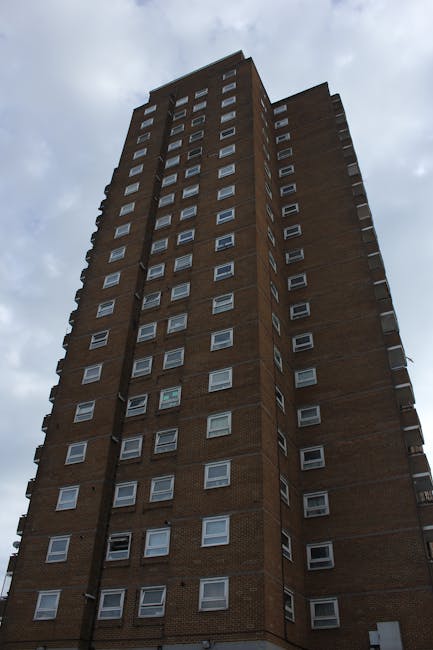
O2 Centre apartment move Swiss Cottage man and van tips
If you are planning an O2 Centre apartment move in Swiss Cottage, the biggest challenge is rarely the lifting itself. It is usually the awkward parts around it: narrow access, lift timing, parking, fragile furniture, and the simple fact that London moves can feel a bit too busy for comfort. That is where sensible man and van tips make a real difference. With the right prep, a local move from or near the O2 Centre can feel organised, calmer, and far less expensive than people expect.
This guide breaks down what actually helps on moving day, how to choose the right approach, and which mistakes tend to cause delays. You will also find a practical checklist, a comparison table, and a realistic example of how to handle a flat move around Swiss Cottage without the usual chaos.
Why O2 Centre apartment move Swiss Cottage man and van tips Matters
Moving an apartment around the O2 Centre is not the same as moving from a quiet suburban cul-de-sac. You are dealing with a busy part of North London, shared access points, loading space that may be limited, and building rules that can change the whole rhythm of the day. A small delay at the wrong time can ripple through the entire move. One missing parking plan, and suddenly your sofa is stuck on the pavement while everyone is trying not to block the road. Not ideal.
That is why the right man and van approach matters. It gives you flexibility, a practical vehicle size, and a crew that can often handle short notice changes more easily than a full-scale removal operation. For a one-bedroom flat, a studio, or a modest apartment move, that balance of cost and agility is often exactly what people need.
There is also a trust factor. If your belongings include a mattress, glass tables, plants, bikes, or boxed electronics, you want a moving process that is careful rather than rushed. A good plan protects the items you value and reduces the chance of nicked walls, scuffed floors, or that sinking feeling when you realise the lift has stopped working. Yes, that happens. More often than anyone would like.
Expert summary: For apartment moves near the O2 Centre, the smartest preparation is not "pack everything fast"; it is "reduce friction everywhere." That means clear access, tight labels, parking awareness, and choosing a vehicle size that matches the job.
If you are also comparing service styles, it can help to look at the broader man and van service alongside more general removal services so you can decide what fits your move, not just what sounds impressive on paper.
How O2 Centre apartment move Swiss Cottage man and van tips Works
At a practical level, the move usually works in a simple sequence: you prepare the apartment, the van arrives at the agreed time, items are loaded in a sensible order, and the team transports everything to the new address. The tricky part is the detail. In apartment moves, detail is everything.
A man and van setup is often ideal because it is built for local, flexible jobs. It can be used for a few large items, a half-flat move, or a full apartment relocation when the inventory is manageable. The vehicle size is important, because a van that is too small creates extra trips, while one that is too large may be harder to position in tight streets or loading spots.
In Swiss Cottage, you will usually want to think about access before you think about anything else. Can the van stop close enough to the entrance? Is there a lift? If not, how many flights of stairs are involved? Can bulky items fit through the hallway without removing doors? These are not glamorous questions, but they are the questions that save you time.
Most smooth moves follow the same practical logic:
- Confirm what is being moved.
- Check access at both ends.
- Reserve or prepare a loading space if needed.
- Pack and label boxes by room.
- Protect furniture and fragile items.
- Load heavy items first, lighter items last.
- Keep essentials with you, not in the van.
That is the core of it. Simple, but not always easy when you are surrounded by half-packed boxes and the kettle is already in a box labelled "misc."
Key Benefits and Practical Advantages
The main benefit of a man and van move for an O2 Centre apartment is control. You are not paying for unnecessary vehicle space or a large team you do not need. You also get a setup that can be nimble enough for local traffic and tight urban access.
- Better value for smaller moves: Ideal for studios, one-bed flats, room moves, and smaller apartment inventories.
- Flexible timing: Often easier to schedule around work, tenancy handovers, or building access windows.
- Less waste: You can match the vehicle and labour to the actual job rather than overbooking.
- Local knowledge helps: A team familiar with Swiss Cottage conditions can usually plan loading and parking more sensibly.
- Quicker decision-making: If a lift is busy or access changes, a smaller crew and vehicle can adapt faster.
There is also a practical emotional benefit. A well-organised local move simply feels less punishing. You are not watching a huge removal lorry swallow your life for the day. You are making a focused transition, one box at a time. Sounds basic, but that calm feeling matters when you are already dealing with deposits, keys, and the odd last-minute admin headache.
For people comparing local options, pages like home moves, house removals, and removals near me can help you understand the wider services available before you settle on the right fit.
Who This Is For and When It Makes Sense
This kind of move makes sense for a few very common situations. If you live in a flat near the O2 Centre, chances are one of these sounds familiar.
- You are moving from a studio or one-bedroom apartment.
- You only have a few large items, plus boxed belongings.
- You need help with stairs or awkward furniture.
- You are relocating within Swiss Cottage or nearby.
- You need a same-day or short-notice move.
- You want a service that is simpler than a full removal company.
It can also make sense if you are mixing your move with a few separate jobs. For example, perhaps you are taking the bed and wardrobe to the new place, but leaving a sofa for furniture pick-up or disposal. Or maybe you are moving flat and need help shifting office equipment too; in that case, you might compare the job with commercial moves or even office removals if there is work gear involved.
Truth be told, this is not always the best option for every move. If you have a very large household, lots of breakables, or a long-distance relocation, you may need something broader than a van-based service. But for apartment life around Swiss Cottage? It often hits the sweet spot.
Step-by-Step Guidance
1. Build a room-by-room inventory
Start with a plain list. Kitchen, bedroom, bathroom, living area, hallway storage. Write down the big items first and then the smaller boxes. This helps you estimate space and prevents the classic "I forgot about the bike and the printer" moment. It happens more than you think.
2. Measure the bulky pieces
Measure wardrobes, sofas, mattress sizes, mirrors, and any item with awkward corners. A van can be perfectly suitable and still not be the right fit if the entrance, lift, or stairwell is restrictive. A few centimetres can matter. Annoying, yes. True, definitely.
3. Check access at both addresses
Ask yourself: where will the van stop? Is there a loading bay? Does the building have time restrictions for moving? Can the lift be booked? If you are moving from a block with shared access, you may need to be strategic about time. Early morning can be calmer. Late afternoon may be busier and more stressful.
4. Pack by priority, not by emotion
Pack essentials last so they are first out. Keep toiletries, chargers, medication, documents, and a change of clothes separate. Apartment moves are smoother when your "need immediately" items are not buried under winter jumpers and three mystery boxes from the back of the wardrobe.
5. Protect furniture properly
Use blankets, covers, stretch wrap, and tape where appropriate. Clean surfaces before wrapping if they are dusty, because grit trapped under wrap can still mark finishes. Handles, table legs, and corners deserve extra attention. The van may be the transport, but the protection starts before the first lift.
6. Load in a logical order
Heavy, solid items go in first. Fragile or lightweight items should not be crushed by bins, books, or random flat-pack leftovers. A tidy load saves time at the other end because unloading becomes quicker and more organised.
7. Keep a final walkthrough simple and calm
Before leaving, check cupboards, sockets, window ledges, and the bathroom shelf behind the mirror. It is astonishing how often one small thing is left behind. A charger in the wall. A set of keys in a drawer. Your good pen. The little things have a way of hiding in plain sight.
If you are planning the bigger logistics, it may also help to compare man with a van and moving van options so you know how much vehicle space and support you actually need.
Expert Tips for Better Results
Here is the part that tends to make the biggest difference in real life.
Book for the building, not just the postcode
Two apartments in the same area can be wildly different to move. One has a lift that behaves nicely. Another has a narrow stairwell and a loading point that disappears at busy times. Do not assume the address alone tells the story.
Label boxes with more than just the room
Instead of "kitchen," use "kitchen - plates and mugs" or "bedroom - bedding and lamps." That tiny bit of detail helps the unload feel much calmer. When you are tired, a clear box label is a relief, almost a small gift.
Keep a flat-moving kit in one bag
Put tape, marker pens, spare bags, charger leads, wipes, scissors, and snacks in one easy-to-grab bag. It sounds overprepared until the moment you need tape and nobody can find it. Then it feels very sensible.
Avoid overstuffing boxes
Books and files are heavy. So are kitchen items. Use smaller boxes for dense items so they remain manageable on stairs. That helps your movers and protects the box contents. Nobody wants a cardboard bottom giving way halfway down a corridor.
Plan around neighbours and noise
Apartment moves are usually less disruptive when you avoid peak hallway traffic and keep doorways clear. A little courtesy goes a long way. It also makes everyone less tense, which is useful when you are carrying a sofa through a space that looks, frankly, too small for a sofa.
Ask about insurance and handling standards
Before moving day, it is sensible to understand how the service handles damaged items, accidental bumps, and general safety expectations. A trustworthy provider will be comfortable discussing this. If you want to review a company's approach in more detail, pages like insurance and safety and health and safety policy are useful starting points.
Common Mistakes to Avoid
Most moving problems are not dramatic. They are just small, avoidable mistakes that stack up.
- Underestimating packing time: Packing always takes longer than people think, especially if you still need to sort, donate, and label.
- Ignoring access restrictions: A van cannot magically fit where it cannot fit. That sounds obvious, but it is one of the biggest causes of delay.
- Not protecting soft furnishings: Mattresses, cushions, and fabric chairs can pick up dirt quickly in a busy move.
- Leaving essentials in the wrong box: Tea bags, keys, meds, chargers, documents. Keep these separate.
- Booking too late: Last-minute moves are possible, but choice narrows quickly, especially around month-end.
- Forgetting building rules: Some blocks have specific access windows or lift booking expectations, and those details matter.
A small practical warning: do not leave it until the morning of the move to discover your parking plan is, how shall we say, more of a hope than a plan. It becomes a much longer day very quickly.
Tools, Resources and Recommendations
You do not need a lot of fancy equipment, but a few basic tools make apartment moves easier.
- Strong boxes: Especially useful for books, kitchenware, and mixed household items.
- Marker pens: For room labels and fragile notes.
- Furniture covers or blankets: Helpful for preventing scuffs in tight communal areas.
- Stretch wrap: Good for keeping drawers shut and protecting surfaces.
- Ratchet straps or tie-downs: Useful for securing items safely inside the van.
- Bag or pouch for documents: Keep tenancy papers, keys, and IDs close by.
For service planning, the most useful pages are often the ones that help you compare the type of move, the level of support, and the booking process. That may include packing and unpacking services, man and van removals, and removal company information if you want a broader picture before booking.
And if you are still at the "I need a quote but not a lecture" stage, the pricing and quotes page is the sensible place to begin.
Law, Compliance, Standards, or Best Practice
For a local apartment move, the main compliance concerns are usually practical rather than dramatic. You are generally looking at safe lifting, sensible transport, and respect for property access rules. If the move involves shared entrances, communal hallways, or parking near the building, it is wise to follow the building's own requirements and avoid blocking access. That protects you, the movers, and the people living nearby.
Good practice in the UK removals sector usually includes:
- careful manual handling to reduce injury risk,
- secure loading so items do not shift in transit,
- basic item protection for furniture and fragile goods,
- clear communication about access and timing,
- respect for customer property and shared spaces.
If you are using a professional service, it is sensible to read the provider's terms and conditions before booking and to understand how payments, handling, and safety are managed. For environmentally conscious moves, you may also want to review recycling and sustainability if you are clearing out items during the move.
One more thing: if you are moving items that should not simply be dumped, make sure they are donated, reused, or handled responsibly. A move is a good chance to stop carrying around things you never really needed. Brutal, but freeing.
Options, Methods, or Comparison Table
Here is a straightforward comparison of common moving approaches for an O2 Centre apartment move in Swiss Cottage.
| Option | Best for | Pros | Limitations |
|---|---|---|---|
| Man and van | Studios, one-bed flats, smaller local moves | Flexible, usually cost-conscious, good for tight access | May require planning if you have lots of bulky items |
| Full removal service | Larger homes, complex or long-distance moves | More support, more capacity, useful for heavy inventories | Often more than you need for a smaller apartment move |
| Self-move with hired van | Very budget-focused moves where you have help | Can be cheaper if you manage the work yourself | More stressful, more physical effort, more risk of delays |
For many flat moves around Swiss Cottage, the first option is the most practical. It gives you enough support without making the process feel oversized. If your move turns out to be larger than expected, then a broader removal services approach may be the better route. Simple as that.
Case Study or Real-World Example
Imagine a one-bedroom apartment move near the O2 Centre on a weekday morning. The tenant has a sofa, a double mattress, a desk, a TV unit, a few shelves, and about twenty boxes. Not huge, but enough to be annoying if handled badly.
The move works best when the tenant does three things in advance. First, they book a van-sized service that matches the inventory instead of choosing something too large or too small. Second, they check whether the building lift can be used at the planned time. Third, they place all essentials in one separate bag so the first night in the new flat is manageable. That means kettle, phone charger, bedding, toiletries, and the documents that never seem important until they are.
On the day itself, the movers load the mattress and larger furniture first, then the boxes by room, then the loose items. Because the tenant measured the sofa beforehand, it is known in advance that it will need a careful turn through the hallway. No surprise. No panic. Just a slightly awkward angle and a bit of patience. Around midday, the job is done and everyone can breathe again. The whole move feels unremarkable, which is actually the point.
That sort of calm outcome is exactly what good planning buys you. Not drama. Not heroics. Just a normal move, which is rather lovely when you think about it.
Practical Checklist
Use this checklist before your apartment move.
- Confirm the move date and access times.
- Measure large furniture and check hallway widths if needed.
- Ask whether the lift can be booked or reserved.
- Plan parking or loading space near both properties.
- Pack fragile items with extra protection.
- Label boxes clearly by room and contents.
- Set aside essentials for the first 24 hours.
- Separate items for donation, recycling, or disposal.
- Keep keys, paperwork, and payment details handy.
- Review the moving terms before the day.
- Have a contact number ready for the movers.
- Do a final check of cupboards, drawers, and storage spots.
If you want a broader home-moving overview, it can also help to compare house movers, house removalists, and removals van options so you are clear on the level of support you need.
Conclusion
An O2 Centre apartment move in Swiss Cottage does not need to be a stressful ordeal. With the right man and van plan, you can keep the move practical, cost-aware, and far more organised than many people expect. The trick is to think ahead about access, parking, packing, and protection rather than leaving those decisions until the last minute.
Keep the job small in your head and detailed in your prep. That combination works. It really does. And once the last box is inside the new flat and the kettle is back on the counter, the whole thing starts to feel a lot more manageable than it did the night before.
Get a free quote today and see how much you can save.
For next steps, you can review the company's about us page if you want to understand the service better, or head straight to contact us when you are ready to talk through the move.
Frequently Asked Questions
Is a man and van service suitable for an O2 Centre apartment move?
Yes, in many cases it is one of the most practical choices. It works especially well for studio and one-bedroom apartment moves, or for smaller inventories with a few large pieces.
How do I know if I need a van or a full removals team?
If your move is mostly boxes and standard furniture, a van-based service may be enough. If you have a larger household, heavy items, or a more complex setup, a fuller approach may be better.
What should I check before moving day in Swiss Cottage?
Check parking, access, lift availability, stair counts, and any building rules. Those basics can save a surprising amount of time and stress.
How far in advance should I book?
As early as you can, especially if you are moving at month-end or at a busy time of day. That said, short-notice bookings can sometimes be arranged.
What is the best way to protect furniture during the move?
Use covers, blankets, wrap, and secure loading. Corners, glass, and polished surfaces need the most care.
Can I combine an apartment move with furniture pick-up or disposal?
Yes, that is often sensible if you are clearing space as part of the move. It can be efficient to move what you want to keep and arrange other items separately.
How should I pack fragile items for a flat move?
Wrap them individually, use sturdy boxes, and fill gaps so items cannot move around. Mark the box clearly, and keep it away from heavy loads in the van.
What if my building lift is out of order?
Then the move will need to be adjusted around stairs and manual handling. This is one reason it helps to confirm access before the day, not on the day.
Are man and van moves good for last-minute relocations?
Often yes, because they are flexible. But the earlier you book, the more likely you are to get the time slot and support you want.
Should I read terms and safety information before booking?
Absolutely. It gives you a better understanding of how the move is handled, what to expect, and how the service approaches safety and payment.
What kind of items should I keep with me rather than in the van?
Keep keys, documents, medication, chargers, valuables, and first-night essentials with you. That small decision prevents a lot of unnecessary hassle.
Is this type of move useful for people moving within North London?
Very much so. Local moves are where a flexible man and van setup tends to shine, especially when access is tighter than average and timing matters.
What is the biggest mistake people make with apartment moves?
Usually it is underestimating access issues or packing time. The actual lifting is often the easy bit.