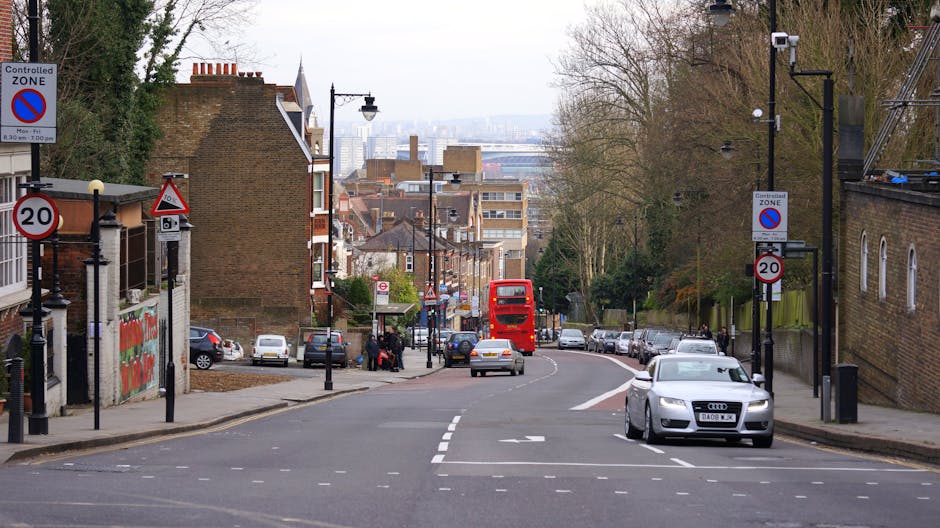
Moving to Finchley Road Swiss Cottage removals guide
Moving near Finchley Road and Swiss Cottage sounds straightforward until the boxes start piling up, the parking becomes a question mark, and you realise your new place might have a narrow stairwell that looked charming in the photos. That is exactly why a proper Moving to Finchley Road Swiss Cottage removals guide matters. It gives you a calm, practical plan for getting from A to B without the usual last-minute scramble. Whether you are moving into a flat near the Underground, relocating a family home a little further out, or simply trying to avoid a stressful moving day, this guide walks you through the local realities and the smart decisions that make a move feel manageable.
To be fair, most moves are not ruined by one big mistake. They are usually tripped up by lots of small ones. A van that is too large, a lift that is booked too late, a sofa that will not fit through the landing... you know the sort of thing. The good news? A bit of planning goes a very long way.
Table of Contents
- Why Moving to Finchley Road Swiss Cottage removals guide Matters
- How Moving to Finchley Road Swiss Cottage removals guide Works
- Key Benefits and Practical Advantages
- Who This Is For and When It Makes Sense
- Step-by-Step Guidance
- Expert Tips for Better Results
- Common Mistakes to Avoid
- Tools, Resources and Recommendations
- Law, Compliance, Standards, or Best Practice
- Options, Methods, or Comparison Table
- Case Study or Real-World Example
- Practical Checklist
- Conclusion
- Frequently Asked Questions
Why Moving to Finchley Road Swiss Cottage removals guide Matters
Finchley Road and Swiss Cottage sit in a busy part of North West London where timing, access, and building layout can shape the entire moving experience. Roads are active, pavement space can be limited, and many homes are in purpose-built flats, mansion blocks, or converted properties with awkward corners and shared entrances. That means moving here is not just about lifting furniture. It is about planning around the area itself.
A good removals guide matters because local moves are rarely "just local". Even a short journey can become complicated if the loading bay is occupied, the lift is small, or the street is busy at the exact time your van arrives. If you have ever stood in a hallway waiting for a mattress to bend in a way it was never designed to bend, you will know the feeling. Slight panic. Mild regret. Then, ideally, a better plan.
This is also a part of London where people move for many different reasons: upgrading to a larger flat, downsizing, relocating for work, moving nearer a school, or simply wanting a different pace while staying close to central transport links. A flexible, local approach helps all of those moves feel less chaotic.
How Moving to Finchley Road Swiss Cottage removals guide Works
The process is simpler when you break it into stages. A move usually starts with an assessment of what you are taking, then moves into logistics, packing, transport, and final placement at the new property. The actual moving day is only the visible part. Most of the work happens beforehand.
In practical terms, a local removals service will usually look at four things:
- Volume: how much you are moving, from a few boxes to a full household.
- Access: stairs, lifts, parking restrictions, entry codes, and turning space for the van.
- Timing: whether you need early morning loading, a specific handover time, or same-day completion.
- Support level: whether you want packing help, dismantling, loading-only support, or full removal services.
That is the basic shape of it. The details matter more than people expect. A one-bedroom flat on Finchley Road can be easier than a smaller flat with difficult access, and a larger house move can be smoother if parking and packing are carefully planned. Funny how that works.
If you are comparing services, it helps to understand how broader options differ. You might use a man and van arrangement for smaller loads, or a fuller removal services package for a larger household move. Some people also prefer a more complete service when they need packing, transport, and unloading handled in one go.
Key Benefits and Practical Advantages
A well-planned move in this area is not just about convenience. It reduces stress, saves time, and lowers the odds of damage or delay. That may sound obvious, but in real life the value shows up in the small wins: fewer trips, fewer awkward lifts, and fewer moments where you are trying to wedge a bedside table through a door while somebody else checks the time.
Here are the main advantages of approaching the move properly:
- Less disruption: your day runs to a clearer schedule and the move feels more controlled.
- Better protection: items are wrapped, stacked, and carried with care rather than rushed.
- Improved access planning: you can think ahead about parking, lift use, and entry restrictions.
- Lower risk of damage: furniture, walls, floors, and stair rails all benefit from careful handling.
- More predictable costs: when the job is defined properly, pricing is usually easier to understand.
There is also a confidence factor. Once you know what is happening, you stop treating moving day like a mystery. You can focus on the practical details, which honestly makes the whole thing feel less like a storm cloud hanging over the week.
If your move is part of a bigger transition, such as a new home after renovations or a property shift that includes storage, a broader home moves approach may make more sense than a simple van booking. The right option depends on what you need moved, how quickly, and how much help you want with the heavy lifting.
Who This Is For and When It Makes Sense
This guide is useful for anyone moving to or from Finchley Road and Swiss Cottage, but it is especially relevant if you are dealing with one of the following situations:
- You are moving into a flat with limited access or shared entrances.
- You are relocating from another part of London and need a tight schedule.
- You have furniture that needs dismantling before loading.
- You are moving with children, pets, or awkward time constraints.
- You are coordinating a move around work, lease dates, or completion day.
- You need help deciding whether a van, a team, or a full-service removals package is best.
It also makes sense if you are moving a modest amount but do not want to rely on friends with a hatchback and a heroic attitude. We have all seen that plan wobble by lunchtime.
If your move is business-related, the same area can be demanding in a different way. Tight timing, office equipment, and document handling create their own pressures. In that case, a specialist approach such as office removals or broader commercial moves may be more suitable.
Step-by-Step Guidance
Let's get practical. A smooth move usually follows a simple sequence, even if the details vary.
1. Start with a realistic inventory
List what is going. Be honest. The extra chair, the box in the cupboard, the plant you keep meaning to repot, all of it. A rough inventory helps you judge van size, packing time, and whether anything needs special handling.
2. Check access at both addresses
Look at staircases, lifts, road width, parking, and the distance from parking to the front door. In places like Swiss Cottage, access can be the difference between a neat, efficient move and a day that feels oddly uphill from start to finish.
3. Decide how much help you need
Some people only want transport. Others want packing, loading, unloading, and perhaps dismantling too. A small move may suit a man with van option, while a larger or more delicate move may need a more complete service from experienced movers.
4. Pack in a sensible order
Pack room by room. Label clearly. Keep essentials separate. It sounds basic, but it saves a huge amount of time later. Put kettle items, chargers, documents, toiletries, and a change of clothes in one accessible bag rather than burying them under towels and cereal bowls.
5. Protect the fragile and valuable items
Wrap glass, art, mirrors, and electronics properly. Use strong boxes and do not overload them. A box that is too heavy is just a future complaint waiting to happen.
6. Plan the moving day flow
Decide what leaves first, who is at each address, and how keys will be exchanged. If a lift booking or parking arrangement is needed, sort it in advance. The less guesswork, the better.
7. Unload with a simple room plan
At the new place, label boxes by room so items go where they belong. It keeps hallways clear and reduces the slightly surreal experience of finding a toaster in the bathroom.
Expert Tips for Better Results
A few small decisions can make a noticeable difference. In our experience, these are the ones people are happiest they made.
- Book earlier than you think you need to. Good moving dates get busy, especially around weekends and month-end.
- Measure large furniture before moving day. Door frames and stair turns are where surprises happen.
- Keep a single essentials box. It should contain tea bags, phone chargers, important documents, snacks, medication, and basic cleaning items.
- Take photos of cable setups before disconnecting anything. That one saves a lot of muttering later.
- Tell the removals team about awkward items early. Pianos, large mirrors, antique furniture, and gym equipment all benefit from advance notice.
- Leave a little breathing room in the schedule. Delays happen. Traffic, weather, lift access, a missing key... life is life.
Another quiet tip: if you are moving in the morning, have your bags ready the night before. The last hour before a move has a funny way of disappearing into random chores and "where did I put that charger?" moments.
Common Mistakes to Avoid
Most move problems are preventable. The mistakes below come up again and again, and yes, they are annoying because they are so avoidable.
- Underestimating volume: people often forget storage cupboards, loft items, and things tucked behind doors.
- Ignoring parking realities: the van might arrive on time, but if access is poor, the job slows down fast.
- Leaving packing too late: last-minute packing usually means damaged items and missing essentials.
- Not checking building rules: some blocks have move-in time windows, lift booking processes, or noise expectations.
- Choosing a service based on price alone: the cheapest quote can become expensive if it does not include what you actually need.
- Forgetting insurance and protection: it is worth knowing how items are covered and how the team handles fragile goods.
One particularly common issue is treating every move as the same. A ground-floor studio with easy access is not the same as a third-floor flat with a narrow staircase. Obvious, yes. Yet people still get caught out. Human nature, really.
Tools, Resources and Recommendations
You do not need a truckload of fancy tools to move well, but a few basics make life easier. Think in terms of preparation, protection, and clarity.
Helpful moving tools
- Strong tape and marker pens for sealing and labelling boxes.
- Bubble wrap, paper, or blankets for fragile items and surfaces.
- Furniture sliders if you are moving heavier pieces within the property.
- Protective covers for mattresses, sofas, and upholstery.
- Basic toolkit for dismantling bed frames, shelving, or tables.
Useful service considerations
If you want help with the fiddly parts, packing and unpacking services can save time and reduce the risk of breakages. For people moving larger furniture or buying items second-hand, furniture pick up may be a practical add-on. And if you need a vehicle that fits the move without being excessive, it can help to compare the available removal van options before choosing.
For budgeting, a page on pricing and quotes is often the place to start if you want a clearer picture of what influences cost and how estimates are usually built. That way, you are not guessing in the dark.
Law, Compliance, Standards, or Best Practice
Moving home does not usually involve complex legal procedures, but there are still practical standards and responsibilities worth respecting. In London, access rules, parking restrictions, building management policies, and property handover times can affect the move. If you are in a managed block, it is sensible to ask about lift use, loading bays, time slots, and any documentation required before move day.
From a service perspective, a trustworthy removals company should be clear about what is included, how items are handled, and how damage or complaints are managed. You should expect straightforward communication, reasonable care, and transparent terms. If anything is unclear, ask. Seriously, ask. It saves headaches.
Safety matters too. Good practice includes using suitable equipment, lifting carefully, securing loads properly, and protecting floors and door frames where needed. If you want to see how a provider approaches that side of the job, reviewing an insurance and safety page can be useful. You can also look at their health and safety policy to understand the standards they work to.
There are also standard consumer expectations around payment clarity and fair service terms. A clear set of terms and conditions and accessible payment and security information are simple signs that a company takes its responsibilities seriously.
Options, Methods, or Comparison Table
Choosing the right moving method depends on how much you are moving, how far you are going, and how much help you want. Here is a practical comparison to make the decision easier.
| Option | Best for | Advantages | Watch out for |
|---|---|---|---|
| Man and van | Small to medium moves, a few rooms, single bulky items | Flexible, often cost-effective, good for short local jobs | May not suit bigger households or complex access needs |
| Full removal team | Family homes, larger flats, full household relocations | More hands, better for heavy furniture and time pressure | Usually a higher overall cost than a simple van booking |
| Packing add-on | Busy households, fragile items, people short on time | Saves time, reduces stress, helps protect items properly | Needs planning in advance and may affect the quote |
| Transport only | People who have already packed and only need moving help | Simple and focused, useful when preparation is done | Not ideal if you need dismantling or loading assistance |
If you are moving from a smaller flat near the station, a more compact service such as man with van removal may be enough. For a bigger property, a broader removals service is often the smoother route. The best choice is not always the cheapest one; it is the one that fits the real job.
Case Study or Real-World Example
Here is a realistic example. A couple moving from a third-floor flat near Finchley Road to a nearby apartment in Swiss Cottage had two main problems: a narrow staircase and a tight handover window. They also had a sofa that looked easy enough until it reached the landing, at which point it developed strong opinions about geometry.
The solution was simple but effective. They separated essentials the night before, labelled each box by room, measured the sofa and bed frame in advance, and arranged the van for the earliest practical time. They also checked access at the new building, which meant the team knew in advance that unloading would need to be staged rather than rushed.
The result was not magical, just organised. Fewer delays, no unnecessary lifting back and forth, and a calmer finish to the day. The couple still had to unpack, of course. There is no way around that. But they were not exhausted before the kettle even boiled.
That is often the difference between a stressful move and a decent one: not perfection, just a sensible sequence and realistic expectations.
Practical Checklist
Use this checklist to stay on track in the final days before moving.
- Confirm your moving date and access times.
- Check parking, loading, and lift arrangements at both addresses.
- Measure large furniture and key doorways.
- Label all boxes clearly by room and priority.
- Pack an essentials box for the first 24 hours.
- Protect fragile items with proper wrapping.
- Separate valuables and important documents.
- Tell the removals team about awkward or heavy items early.
- Keep phone chargers and medication easy to reach.
- Prepare keys, codes, and any building entry instructions.
- Plan a basic clean for the old property once furniture is out.
- Leave yourself enough time for traffic and the unexpected.
One small but useful habit: put the kettle somewhere obvious. You will thank yourself later. Trust me, that first cuppa after a full move can feel borderline heroic.
Conclusion
Moving to Finchley Road Swiss Cottage does not need to be a headache. With the right plan, the right level of help, and a realistic view of the local access issues, the whole thing becomes much more manageable. The key is to treat the move as a project rather than a one-day scramble. That means checking the route, understanding the property, packing with intent, and choosing the moving method that genuinely fits your situation.
If you remember one thing, let it be this: good removals are built before the van arrives. A bit of organisation now saves a lot of strain later, and it gives you a much calmer start in your new place.
Get a free quote today and see how much you can save.
And once the boxes are in, the kettle is on, and the first room starts to feel like home, the whole move tends to make a bit more sense. Little by little. That is usually how it happens.
Frequently Asked Questions
How far in advance should I book removals for Finchley Road or Swiss Cottage?
As early as you reasonably can. For busy dates such as weekends, month-end, or school holiday periods, earlier booking is usually safer because access times and vehicle availability can tighten up quickly.
Is a man and van service enough for a flat move in Swiss Cottage?
Sometimes, yes. If you have a modest amount of furniture, a smaller flat, or just a few bulky items, a man and van removals style service can be a practical choice. If the move is bigger or more complicated, you may need a larger team.
What makes moving near Finchley Road more complicated than a standard local move?
The area can involve tighter parking, busier roads, shared entrances, and apartment buildings with lifts or stair access issues. Even a short distance move can take longer if loading and unloading are not planned carefully.
Should I pack everything myself or use packing services?
That depends on time, budget, and how fragile your items are. Packing yourself can save money, but professional packing support can reduce stress and help protect delicate belongings. If you have a lot of breakables, it may be worth considering.
How do I know what size van I need?
The easiest way is to create a realistic inventory and describe access at both properties. A few large items in a small flat may need more space than expected. If you are unsure, ask for guidance rather than guessing.
What should I do about parking on moving day?
Check the local parking situation early and confirm whether the van can load close to the property. In busy London streets, parking can make or break the timing of the move, so it is worth sorting out in advance.
Can removals teams handle furniture dismantling and reassembly?
Many can, but you should confirm this before the job is booked. Bed frames, wardrobes, and shelving often need dismantling to move safely through tight spaces, especially in flats with narrow turns.
How can I protect fragile items during the move?
Use strong boxes, padding, and clear labelling. Keep glass, mirrors, artwork, and electronics separated from heavy items. A little extra wrapping now is much better than dealing with a broken frame later.
What if my completion time changes on the day?
That happens more often than people like to admit. The best approach is to keep communication open and allow a buffer where possible. A flexible plan is far easier to manage than a tightly packed schedule with no breathing room.
Are there any rules I should check with my building before moving?
Yes. Ask about lift bookings, move-in windows, loading access, and any requirements from building management. Some properties have quiet hours or specific instructions for movers, and it is best not to discover those on the staircase.
How do I avoid damage to walls and floors?
Use proper lifting methods, protect corners and floor surfaces where needed, and make sure heavy items are carried with enough people. A careful team and good planning go a long way here.
What is the best way to stay organised on moving day?
Keep one essentials bag, label boxes clearly, and assign one person to key tasks like documents, keys, and communication with the movers. Small structure makes a big difference when the day gets busy.
If you are still weighing up your options, you can also explore the company's wider removal company information, or look into their broader removal companies page if you want to compare the service style and expectations before making a decision.